
 The aftermath of the global pandemic has spurred a rapid transformation in the automotive industry, impacting both its products and manufacturing processes. In the midst of this evolution, the supply chain has become intricately interwoven, demanding adaptability from automakers to meet the ever-changing demands of consumers. Projections point to a substantial surge in demand for electrification in the automotive sector by 2025. Consequently, auto manufacturers are actively seeking solutions to supply chain challenges and increasingly turning towards additive manufacturing as a valuable alternative to traditional resources for tooling and part supply. This paradigm shift replaces the conventional model of centralized manufacturing, which proves susceptible to disruptions caused by global events, labor force fluctuations, and heightened market demands.
The utilization of Industrial 3D printers plays a pivotal role in enhancing competitiveness for automotive manufacturers, offering numerous advantages:

Rapid Prototyping: Conventional product development projects often consume extensive time and financial resources. However, with 3D printing, manufacturers can attain first-to-market capabilities through faster product development.
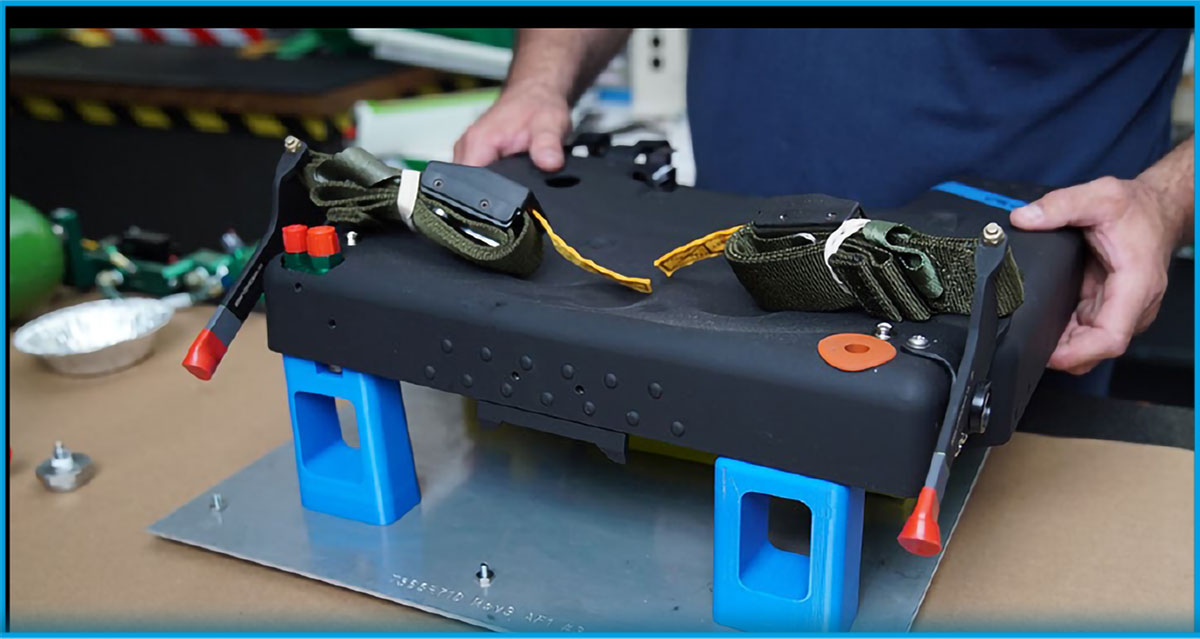
Production Support: Conventional tooling can impose limitations on ergonomics, leading to increased costs and extended lead times. In contrast, 3D printed tools offer swifter production, cost reduction, and the freedom of unlimited customization possibilities.
 Production: Traditional manufacturing methods may hinder mass customization due to economic constraints. Conversely, 3D printing enables economical on-demand production, allowing for greater flexibility in customization.
Where We Win: Automotive Applications for Stratasys Technologies
As a prominent figure in additive manufacturing, Stratasys Industrial 3D printers play a leading role in the 3D printing applications used by car and truck makers. While theoretically, any of Stratasys’ technologies can support every phase of design and production, certain applications align more favorably with specific technologies:
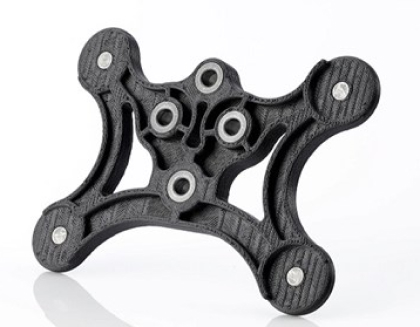
FDM: Particularly ideal for producing tooling and manufacturing aids to bolster production processes.
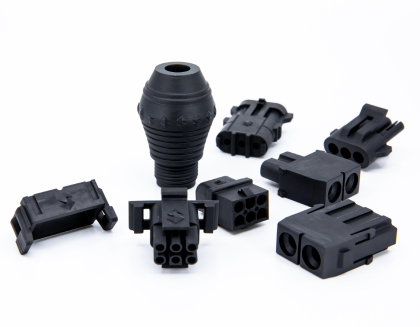 P3 Technology: Perfectly suited for crafting highly detailed parts that require injection mold-like quality.
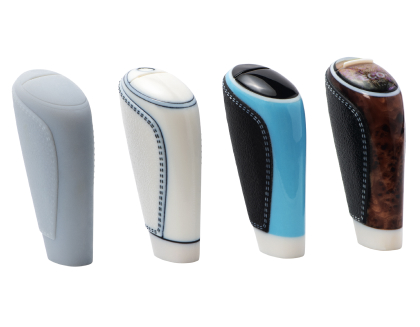
PolyJet: Employed for crafting ultra-realistic prototypes with multicolor, multimaterial printing.
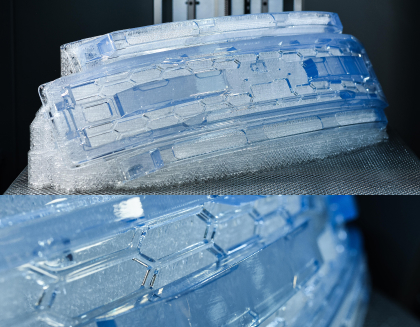 Stereolithography: Excels in creating prototypes and concept models with an exceptional finish and fine details.
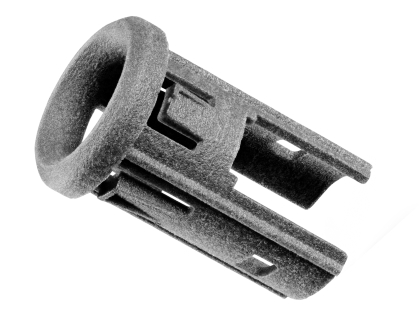
SAF: Economically viable for the production of higher volumes of parts.
Armed with these cutting-edge technologies, automotive manufacturers can harness the potential of Stratasys Industrial 3D printers to effectively address the evolving demands of the industry and maintain a competitive edge in the market. Stratasys boasts a natural advantage, as its industrial 3D printers and materials are known for delivering reliable, consistent, and high-quality results.